Find consumer tips on everything from credit to home safety to travelling on a budget and so much more!
Know the Risks Before You Invest in Cryptocurrencies
- Cryptocurrencies aren’t backed by a government or central bank. Unlike most traditional currencies, such as the dollar or yen, the value of a cryptocurrency is not tied to promises by a government or a central bank.
- If you store your cryptocurrency online, you don’t have the same protections as a bank account. Holdings in online “wallets” are not insured by the government like U.S. bank deposits are.
- A cryptocurrency’s value can change constantly and dramatically. An investment that may be worth thousands of dollars on Tuesday could be worth only hundreds on Wednesday. If the value goes down, there’s no guarantee that it will rise again.
- Nothing about cryptocurrencies makes them a foolproof investment. Just like with any investment opportunity, there are no guarantees.
- No one can guarantee you’ll make money off your investment. Anyone who promises you a guaranteed return or profit is likely scamming you. Just because the cryptocurrency is well-known or has celebrities endorsing it doesn’t mean it’s a good investment.
- Not all cryptocurrencies or the companies behind them are the same. Before you decide to invest in a cryptocurrency, look into the claims the company is making. Do an internet search with the name of the company and the cryptocurrency with words like review, scam, or complaint. Look through several pages of search results.
Originally posted by the Federal Trade Commission. All rights reserved.
It’s not just bitcoin. There are now hundreds of cryptocurrencies, which are a type of digital currency, on the market. They’ve been publicized as a fast and inexpensive way to pay online, but many are now also being marketed as investment opportunities. But before you decide to purchase cryptocurrency as an investment, here are a few things to know:
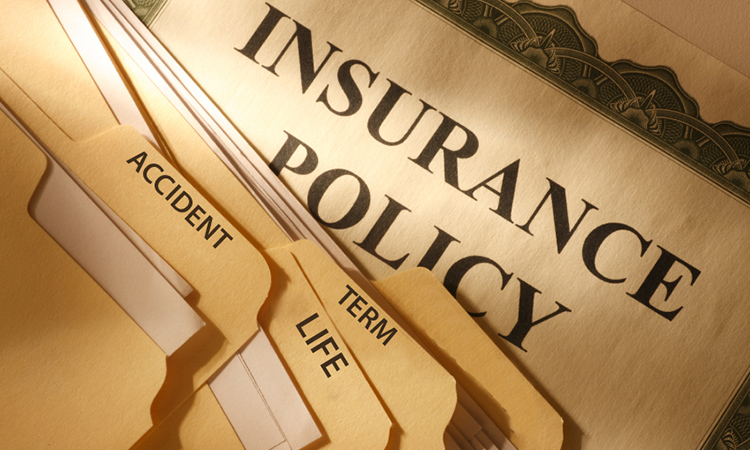
Term Life or Accidental Death Insurance — Which is Right For Me?
Simplified Issue Term Life Insurance often has age-banded premium rates that change when you reach the next age bracket. Acceptance into the plan is based on a few quick health questions, but no medical exams or tests. For the first few years only deaths due to an accident may be covered. But once through the exclusionary period, all causes of deaths could be covered.
Term Life Insurance would be most valuable if you have a lot of recurring payments; homes, cars, education, all require financial resources and planning. Term Life can offer higher coverage levels that helps protect the lifestyle you are building with your family. In the event of your passing, your family can use the money from the insurance in any way they need.
Accidental Death Insurance may be a better choice for people with fewer obligations; houses paid off and an empty nest, or people just starting out on their own. Accidental Death policies are usually guaranteed issue – simply enroll and pay your premium to get coverage – because they only pay benefits for death due to a covered accident. The lower coverage amounts – and premium rates – can still give you the additional peace of mind knowing that you will not leave unpaid debt or expenses if the unexpected happens. And, here again, your beneficiaries can use the cash benefit in any way they need.
Considering insurance as part of your financial planning makes sense no matter where you are in your life. Helping to protect your family and assets with insurance can give your family more financial security and give you more peace of mind.
Go to www.unionplusinsurance.com for more information about the insurance offers available to you as a union member.
Underwritten by Hartford Life and Accident Insurance Company, Hartford, CT 06155. All benefits are subject to the terms and conditions of the policy. Policies underwritten by Hartford Life and Accident Insurance Company detail exclusions, limitations, reduction of benefits and terms under which the policies may be continued in force or discontinued. Life Form Series includes GBD-1000, GDB-1100 or state equivalent. Accident Form Series includes 7582, PA-5427, or state equivalent.
0318TVA
Choosing the right insurance products can be challenging – especially because many of us do not like to think about needing insurance at all! But insurance can be an important part of financial planning for any family. Understanding the different types of insurance available to you is an important part of deciding which option is best.
Why Consolidating Debt Can Save You Time and Money
These loans are a good option for people looking to decrease their number of monthly payments, lower their interest rates and achieve a less-stressful financial future. Here are a few commonly asked questions that might help you determine if a debt consolidation loan is the right option for you.
What is the difference between a secured loan and an unsecured loan?
Secured loans, such as a mortgage or car loan, require you to put collateral down to cover the repayment of the loan if you are unable to make your monthly payments. Unlike a secured loan, an unsecured loan doesn’t require collateral, making it a good solution for those looking to consolidate debt quickly and easily.
Should I pick a fixed rate or a variable rate loan?
A variable rate, like most credit cards, is one that is likely to change (increase) over time, causing your monthly payments to also increase. You may receive a lower rate with a variable rate loan, but because it is not guaranteed to remain the same over time, it’s a potentially riskier option.
A fixed rate is one that will remain the same for the term of the loan. With a fixed rate, you won’t have to worry or wonder if your rate might go up – and that means you’ll always know exactly how much your monthly payment is. No surprises.
How long will it take to pay an unsecured loan off?
Unlike credit cards, loans have a pre-determined length of repayment. This means that you know exactly when your loan is paid off and when you’ll be out of debt. You usually have the flexibility of determining the length of repayment based on monthly payment options. Most lenders allow you to choose the due date of your monthly payment so you can prioritize bills to fit your budget.
Are there fees associated with an unsecured debt consolidation loan?
Some lenders charge an origination fee that can range from 3-6% (or more) of the loan amount you consolidate. For example, a $15,000 loan with a 5% origination fee would result in a $750 origination fee, in addition to your loan amount. Loans without origination fees allow you to save on upfront costs.
Unlike many credit cards, most loans do not charge an annual fee. This allows for even more savings when consolidating credit cards into an unsecured loan.
Is an unsecured loan right for me?
A loan can help you consolidate revolving debts so that you can have flexibility in your budget and achieve your financial goals. They are a good option for people who want to find a solution for outstanding debt and stop wasting money on higher-interest credit card balances. When applying, lenders will review your credit history and look for things such as bankruptcy and on-time payment history. Qualification will vary based on the lender you choose.
Does Union Plus have a solution for me?
Yes! If you’re interested in an unsecured loan, click here to learn more or apply for the Union Plus® Personal Loan so you can start saving time and money today!
Do you have several credit cards that you’ve acquired over time, each with its own interest rate, payment due date and balance? Have you ever considered a loan for debt consolidation?
It Looks Like You Have a Cavity
Cavities are likely to form the more sugar we snack on. Our mouths are full of bacteria, some helpful, some malevolent, and the latter bacteria feeds on sugars, forming acid that eats away at our teeth. Like your dentist always reminds you, daily brushing (with a toothpaste that has fluoride in it) and flossing can help prevent the buildup of sugar and cavities.
In the earliest stages of a cavity, it’s entirely likely that you’ll feel nothing, as the first layer of your teeth is simply enamel, which has no nerves and thus no sensitivity. The good news is that this stage of a cavity can be reversed. Proper oral hygiene can repair the enamel, stopping that pesky cavity in its tracks.
Unfortunately, some cavities persevere, which leads to more pronounced symptoms. The classic one is, of course, a toothache, especially when you eat something sweet. Remember how the bad bacteria feeds on sugar? Well, coating an already decaying tooth in more sugar produces more acid, which will eventually dissolve all the enamel and make its way to your tooth’s sensitive nerve endings, causing discomfort.
This expanding cavity can also lead to other symptoms, such as a bad taste in your mouth or bad breath that just won’t go away. It’s possible to feel or even see a more advanced cavity – you may notice a dark spot on your tooth, or a mysterious hole. Any of these indications are cause to see a dentists as soon as possible.
Whatever stage a cavity is in, it’s certainly a nuisance, especially once your dentist hands you your bill. The Union Plus Dental Discount Plan can help you save on your next dental visit.
Plus, use code UPGC10* when you sign up for any annual Dental Discount Plan and we’ll send you a $10 Starbucks gift card!
Search for a participating dentist near you and schedule an appointment today!

*You must purchase an annual plan and be a member of the Union Plus Dental Discount Plan for 30 days in order to receive the gift card.
It’s the phrase every patient reclining in the dentist’s chair dreads. Was there something you could have done to prevent this?
Home Safety Checklist for Daylight Saving Time
While you're updating those manual clocks around the house, don't forget to do your semi-annual household safety checks. Our daylight saving safety checklist can help protect your home and family from preventable accidents.
Inspect Your Fire Extinguishers
- Make sure extinguishers are easily accessible.
- Check the tamper seal and pull pin. If the seal is broken or the pin is missing, replace the extinguisher or have a certified fire extinguisher technician inspect it.
- Look for physical damage and debris in the hoses and nozzles. Replace the extinguisher if it shows signs of damage or corrosion.
- Have fire extinguishers professionally inspected once per year.
Check Your Garage Door Sensors
If they are not working correctly, a closing garage door could harm belongings or people in its path.
- Test the automatic reversing mechanism by placing a piece of wood, such as a 2×4, on the ground in the door's path as it's closing. The door should reverse one or two seconds after hitting the wood. If it does not, refer to your owner's manual on how to make an adjustment to the opener's sensitivity or contact a professional garage door service.
- Test the photoelectric sensors by placing an object in front of them as the door is coming down. The door should immediately reverse. If it does not, check the sensors for alignment, dirty lenses or damage.
Test Your Smoke Alarms
- Push the test button to make sure the alarm sounds.
- See how the alarm responds to smoke: Light a match and blow it out directly under the alarm, or use an aerosol smoke can if the detector is out of reach.
- Have someone stand as far away from the smoke alarm as possible to be sure it's audible.
- Change the batteries twice a year.
- Replace the device every seven to 10 years — earlier if the alarm sounds weak or doesn't emit noise after you change the batteries and perform multiple tests.
Practice a Family Fire Drill
- Pick a place to meet outside that everyone can remember.
- Follow your fire escape plan. If you don't have one, map out how you will exit each room in the event of a fire.
- Practice the drill at night when family members are asleep. This will help prepare them for waking up to smoke alarms and getting out of the house quickly.
Update Your First Aid and Emergency Preparedness Kits
- Check expiration dates and replace old contents.
- Make sure flashlight batteries work.

L0715430832[exp0618][All States][DC]

Daylight saving time begins March 8, 2020! While most mobile phones and computers will update the time automatically — don't forget to do your home safety checks as you manually update the time on your stove, microwave and bedside alarm clocks, too.
Five Heart Health Benefits of Owning a Pet
According to the American Heart Association:
- Improved Health Status of Heart Patients
Dogs ease anxiety and improve the health status of hospitalized heart failure patients.
- Anxiety Decreases
Researchers found that anxiety scores dropped 24 percent for participants who received a visit from the volunteer-dog team. Scores for the human volunteer-only group dropped 10 percent and the at-rest group’s score did not change.
- Decreased Stress
Simply having a pet in the room, decreases the stress response. Levels of epinephrine, a hormone the body makes when under stress, dropped about 17 percent in patients visited by a person and a dog, and 2 percent in those visited just by a person. But levels rose about 7 percent in the unvisited group.
- Heart Pressure Decreases
Heart pressure dropped 10 percent after the visit by the volunteer and dog. It increased 3 percent for those visited by a human volunteer and 5 percent for those who got no visit. Lung pressure declined 5 percent for those visited by a dog and a volunteer. It rose in the other two groups.
- Benefits Blood Pressure
People with a dog or cat suffered only half the blood pressure increase of those without.
Be sure to return the favor by protecting the health of your furry family members with the gift of pet insurance from Union Plus Pet Insurance.
LEARN MORE ABOUT THE UNION PLUS PET INSURANCE PROGRAM

Pet insurance coverage offered and administered by Pets Best Insurance Services, LLC is underwritten by American Pet Insurance Company.
It’s no secret that animals and humans share a special bond. It’s also well known that being around pets can positively impact your health in measurable ways. In fact, there are numerous studies on the health benefits associated with being around animals. Here are just a few health-related reasons to spend more time with your pets.
Three Reasons Why Union Members Should Switch to AT&T
-
Network Strength
AT&T has the nation’s largest and most reliable network in the country.Coverage not avail. everywhere. Based on overall coverage in U.S. licensed/roaming areas. See coverage details below.
-
Union Solidarity
AT&T is the only nationwide unionized wireless carrier. When you choose AT&T, you’re choosing to support the more than 150,000 union members employed there.
-
Wireless Discounts
AT&T offers union members exclusive discounts on wireless with the AT&T Signature Program discounts through Union Plus.
Plus, when you switch to AT&T, you can get up to $650 in credits per line when you trade in your smartphone, and buy a new one on AT&T Next.Each line reqs elig. port-in, trade-in, purch., & svc. $650= min. $5 trade-in credit/promo card (for AT&T products/svc only) + prepaid card (w/in 90 days) for device balance/early term. fee amount less trade-in. Fees, charges & restrs apply. See SWITCH TO ATT details below.
Ready to switch and start saving? Head to your local AT&T store with this coupon, or visit unionplus.org/att today.

Coverage not avail. everywhere. Based on overall coverage in U.S. licensed/roaming areas. Reliability based on voice and data performance from independent 3rd party data. Restrictions on Use: Do not use in a manner inferring AT&T leads coverage / reliability in LTE. This claim cannot be paired with images or copy exclusively referencing streaming or data use.
SWITCH TO AT&T: Each line reqs an eligible port-in, trade-in, purchase, svc & final bill submission. Credits received may not equal all costs of switching. Elig. port-in: From eligible carrier (excludes Cricket & select others) on their term agmt or device plan (excludes 3rd party agmts). Must buy elig. smartphone in same transaction. Elig. Purchase/Svc: Smartphone on AT&T Next or AT&T Next Every Year installment agmt w/elig. svc (excludes prepaid, Lifeline, Residential Wireless and select discounted plans). Acct & svc must remain active & in good standing for 30 days. Tax due at sale. Down payment may be req’d. If svc is cancelled, installment agmt balance (up to $950) is due. Limit: Purch. limits apply. Trade-in: Select locations. Must be smartphone on line ported, be in good working condition w/min. $5 trade-in value & meet AT&T Trade-In program reqmts. Trade-in Credit: Instant credit or AT&T VISA Promotion Card issued by MetaBank™ or CenterState Bank of Florida NA, via license from Visa U.S.A. Inc. (may take 3 weeks to receive). Not redeemable for cash & non-transferable. Credit/Card valid for 5 months & for use only to purch. AT&T products & svc in AT&T owned retail stores, at att.com, or to pay wireless bill. Add’l cardholder terms & conditions apply & are provided w/Promotion Card. At dealers get credit (w/add’l terms) for use at dealer. Final Bill: Must go to att.com/helpyouswitch & upload or mail final bill w/in 60 days showing Early Termination Fee (ETF) or device plan balance (incl. lease purch. costs) on number ported. Final Credit: Total amount equals device balance/ETF (excludes taxes, fees, svc & other charges) up to $650 minus trade-in. Get up to $645 for device plan balance or up to $345 for ETF. W/in 4 wks after meet all elig. reqmts, will be mailed AT&T VISA Promotion Card issued by MetaBank™ or CenterState Bank of Florida NA, via license from Visa U.S.A. Inc. Not redeemable for cash & non-transferable. For use at US locations where Visa cards are accepted through date printed on card (min. 150 days). Add’l cardholder terms & conditions apply & are provided w/Promotion Card. See att.com/switch for details.
GEN. WIRELESS SVC: Subj. to Wireless Customer Agmt (att.com/wca) or, for business customers, applicable wireless svc agmt. Svcs not for resale. Deposit may be reqd. Credit approval, activ., other fees, monthly, overage, other charges, usage, other restrs apply. Pricing & terms subject to change & may be modified or terminated at any time without notice. Coverage & svc not avail. everywhere. You get an off-net (roaming) usage allowance for each svc. If you exceed the allowance, your svc(s) may be restricted or terminated. Other restrs apply & may result in svc termination.

Looking to switch wireless carriers, but unsure of which one to choose? Here are three reasons union members should seriously consider switching to AT&T.
How to Drive on Icy Roads
Icy roads are one of winter’s biggest dangers. Fortunately, you can take simple steps to keep you safer.
Change Your Tires
If cold, icy winters are common in your area, swap your regular tires for snow tires to gain more control. Snow tires have more contact edges than normal tires, allowing them to grip the road better. Also, the rubber on snow tires stays pliable in low temperatures, which helps provide better traction.
Drive Cautiously
- Think gradual. Quick movements, such as fast acceleration or sudden turns, have little effect on icy roads—you just spin your wheels or continue in the same direction. Slow your motions so your vehicle has time to respond. Brake gradually, too: Slamming on the brakes, even antilock brakes, can cause your car to slide. To give yourself enough time to brake, allow up to 10 times the normal distance between your car and the car ahead of you.
- Slow Down. Remember that posted speed limits are for ideal driving conditions. If the roads are icy, reduce your speed to reduce the risk of getting in an accident.
- Correction. If your car starts to skid or slide, take your foot off the gas. Slowly turn the wheel in the direction you want the car to travel. If your vehicle has antilock brakes, apply firm pressure until you regain control. You can steer during this maneuver. As your car spins, work to regain a neutral steering position. You have more control when your tires face the same direction.
Know the Roads
To stay ahead of icy roads, know when and where ice forms. Any winter precipitation can cause ice, as can sudden temperature changes. “Black ice” (a thin, almost invisible coat) is most likely to form on intersections, bridges, overpasses, underpasses and ramps. For more about dealing with black ice, follow this advice from MetLife Auto & Home.
Be Aware of Other Drivers
Driving slowly offers some protection from other drivers, but be sure to keep an eye on the cars ahead of and behind you. If you see brake lights ahead, slow down. If a driver follows closely behind your vehicle, keep a slow pace to force him or her to do the same.
These tips were brought to you by the Union Plus Auto and Home Insurance program. Drivers saved an average of $586* a year on their auto insurance when switching to MetLife Auto & Home®.
Take advantage of the Union Plus Auto and Home Insurance Program by calling 855-666-5797 today. Remember to mention your discount code: DJ7.

*Savings based on our 2018 countrywide research of new call center customers’ annual average savings in 2017. Statistics do not reflect sales of the product sold on MetLife Auto & Home MyDirectSM.
Group Discounts are filed on an individual basis in MA and may not be available as part of MetLife Auto & Home's benefit offering.
MetLife Auto & Home is a brand of Metropolitan Property and Casualty Insurance Company and its affiliates: Economy Preferred Insurance Company, Metropolitan Casualty Insurance Company, Metropolitan Direct Property and Casualty Insurance Company, Metropolitan General Insurance Company, Metropolitan Group Property and Casualty Insurance Company and Metropolitan Lloyds Insurance Company of Texas, all with administrative home offices in Warwick, RI. Coverage, rates and discounts and policy features vary by state and product, and are available in most states to those who qualify. Met P&C®, MetCasSM and MetGenSM are licensed in the state of MN.
© 2018 MetLife Auto & Home
L1016481659[exp0919][All States][DC]

Slick streets? Take precautions! These tips can help improve your safety.
Tips to Help You Find The Right Home
Whether it’s a first home or next home, the Union Plus® Mortgage program, with financing provided by Wells Fargo Home Mortgage, provides union members, their parents and children access to a wide range of home loan options to meet a variety of needs, plus special benefits designed for union families. And, you can also find the homebuying tools and information you need every step of the way.
Location, Location, Location
This first step is to understand your needs:
- What areas of your city/county appeal to you?
- Do you want to live in a neighborhood, or is having land important to you?
- Do you want to be near schools, shopping, or public transportation?
- How close do you need to be to your job?
Make a Wish List
Before you start looking at houses, make a list of the home features that are most important to you.
- How many bedrooms and bathrooms do you need? Are you downsizing or planning for a growing family?
- Do you prefer the look of a two-story home, or do you want a one-story with everything all on one level?
- Would you like an older home with character in an established neighborhood, or are you drawn to the benefits of a newly constructed home?
- What kind of amenities and features would you like? How about a gourmet kitchen or a fireplace?
- What about the exterior: siding, brick, or stucco?
Most homebuyers need to make compromises, and it's helpful if you already know which items are "must-haves" and which are simply "nice-to-haves." You can download our Wish List (PDF)* to help you prioritize.
When you’re ready to start looking at homes, consider using a real estate agent. While it’s easy to search for homes online today, you’ll receive invaluable information and assistance by working with a licensed real estate agent.
Getting Prequalified
In addition to considering what you need and want in a home, it’s helpful to know how much you may be able to borrow to buy a home. A prequalification lets you estimate how much you may be able to borrow, but is not a commitment to lend so it doesn’t require a credit check or mortgage application.
If you have any questions about the homebuying process, loan options, or would like a free prequalification, contact a Wells Fargo Home Mortgage consultant today. If you are considering refinancing, Wells Fargo Home Mortgage has options for you too!
And remember, after closing on a loan through the Union Plus Mortgage program, you’ll be eligible for special benefits that include receiving a My Mortgage GiftSM award from Wells Fargo - $500 for buying a home or $300 for refinancing your home, for use at participating retailers – and access to mortgage assistance through Union Plus in times of hardship such as layoff, disability or strike.1,2 Keep in mind that parents and children of union members are also eligible for certain benefits.
Click here to learn more about the Union Plus Mortgage program, talk to a Union Plus Mortgage Specialist at 866-802-7307 or request a personal consultation.

1. Eligible individuals can receive the Wells Fargo My Mortgage GiftSM award approximately 6 weeks after closing on a new purchase or refinance loan secured by an eligible first mortgage or deed of trust with Wells Fargo Home Mortgage (“New Loan”), subject to qualification, approval and closing, when identifying themselves as eligible. The My Mortgage GiftSM award is not available with The Relocation Mortgage Program® or to any Wells Fargo team member. Only one My Mortgage Gift award is permitted per eligible New Loan. This award cannot be combined with any other award, discount or rebate, except for yourFirstMortgageSM. This award is void where prohibited, transferable, and subject to change or cancellation with no prior notice. Awards may constitute taxable income. Federal, state and local taxes, and any use of the award not otherwise specified in the Terms and Conditions (also provided at receipt of award) are the sole responsibility of the My Mortgage GiftSM recipient.
2. The Union Plus® Mortgage Assistance Program is provided and administered through the AFL-CIO Mutual Benefit Plan (“The Plan”), which is not affiliated with Wells Fargo Bank, N.A. Additional information about this program and eligibility criteria can be obtained at www.unionplus.org/assistance.
Wells Fargo Home Mortgage has a services agreement with Union Privilege in which Union Privilege receives a financial benefit for providing agreed upon services. You are encouraged to shop around to ensure you are receiving the services and loan terms that fit your home financing needs.
Union Plus® is a registered trademark of Union Privilege.
Information is accurate as of date of distribution. Wells Fargo Home Mortgage is a division of Wells Fargo Bank, N.A.
© 2018 Wells Fargo Bank, N.A. All rights reserved. NMLSR ID 399801
As those freezing temperatures start to warm up in some areas, so does the housing market. Spring not only means more fun outdoors, it’s also a great time to buy a home. Buying a home is exciting, but it’s also a major financial transaction, so it’s important to be prepared. With a little planning and research, you can build your homebuying knowledge and have more confidence that you’ll choose the right home at the right time.
Stop These Top Five Distracting Driving Habits
Consider these five thoughtless distracted driving habits and how to change them:
- Eating or Drinking
Hot coffee spills, greasy hands or stray crumbs could distract you from the road. Eat before you get behind the wheel or after you’ve reached your destination. If you need a snack now, find some place off the road to stop.
- Making Hands-Free Calls
You may not take your hands off the wheel, but calls can take your mind off the road. Turn off your phone’s Bluetooth capabilities before you drive off, and silence your phone to help prevent temptation. If you really need to make a call, safely pull over to talk.
- Messing with Dials or Controls
Adjusting volume, looking for a radio station, plugging in GPS directions or turning up the heat diverts your eyes from the road. Take care of all of the above before shifting into gear. If you must make adjustments, wait until you come to a complete stop at a stoplight, pull over safely, or ask your front-seat passenger to handle them.
- Paying Attention to Other Passengers
Young children and infants can be up to eight times more distracting than adult passengers, according to the AAA Foundation for Traffic Safety. Make sure your little ones have something to occupy them. Or stop the car and pull over safely before investigating the cause of screaming or crying.
- Applying Makeup or Shaving
The vanity mirror blocks your eyes from the road. Give yourself enough time before leaving home to finish getting ready.
These tips were brought to you by the Union Plus Auto and Home Insurance program. Drivers saved an average of $586* a year on their auto insurance when switching to MetLife Auto & Home®.
Take advantage of the Union Plus Auto and Home Insurance Program by calling 855-666-5797 today. Remember to mention your discount code: DJ7.

*Savings based on our 2018 countrywide research of new call center customers’ annual average savings in 2017. Statistics do not reflect sales of the product sold on MetLife Auto & Home MyDirectSM.
Group Discounts are filed on an individual basis in MA and may not be available as part of MetLife Auto & Home's benefit offering.
MetLife Auto & Home is a brand of Metropolitan Property and Casualty Insurance Company and its affiliates: Economy Preferred Insurance Company, Metropolitan Casualty Insurance Company, Metropolitan Direct Property and Casualty Insurance Company, Metropolitan General Insurance Company, Metropolitan Group Property and Casualty Insurance Company and Metropolitan Lloyds Insurance Company of Texas, all with administrative home offices in Warwick, RI. Coverage, rates and discounts and policy features vary by state and product, and are available in most states to those who qualify. Met P&C®, MetCasSM and MetGenSM are licensed in the state of MN.
© 2018 MetLife Auto & Home
L1016481659[exp0919][All States][DC]

Some of the things you do regularly behind the wheel have become so commonplace you might not realize you’re driving distracted. But if your eyes, hands or mind are focused on anything but driving, you fit the National Highway Traffic Safety Administration’s definition of a distracted driver. Distracted driving is one of the top causes of car accidents, with the number of fatalities only increasing.